This site is protected by reCAPTCHA and the Google Privacy Policy and Terms of Service apply.
Abu Dhabi
Marsa Al Saadiyat: Aldar Launches an AED 100 Billion Waterfront District on Saadiyat Island
Abu Dhabi's Latest Master Plan Unveiled
Words by Christie's International Real Estate Abu Dhabi in Abu Dhabi · Aug 6th, 2026
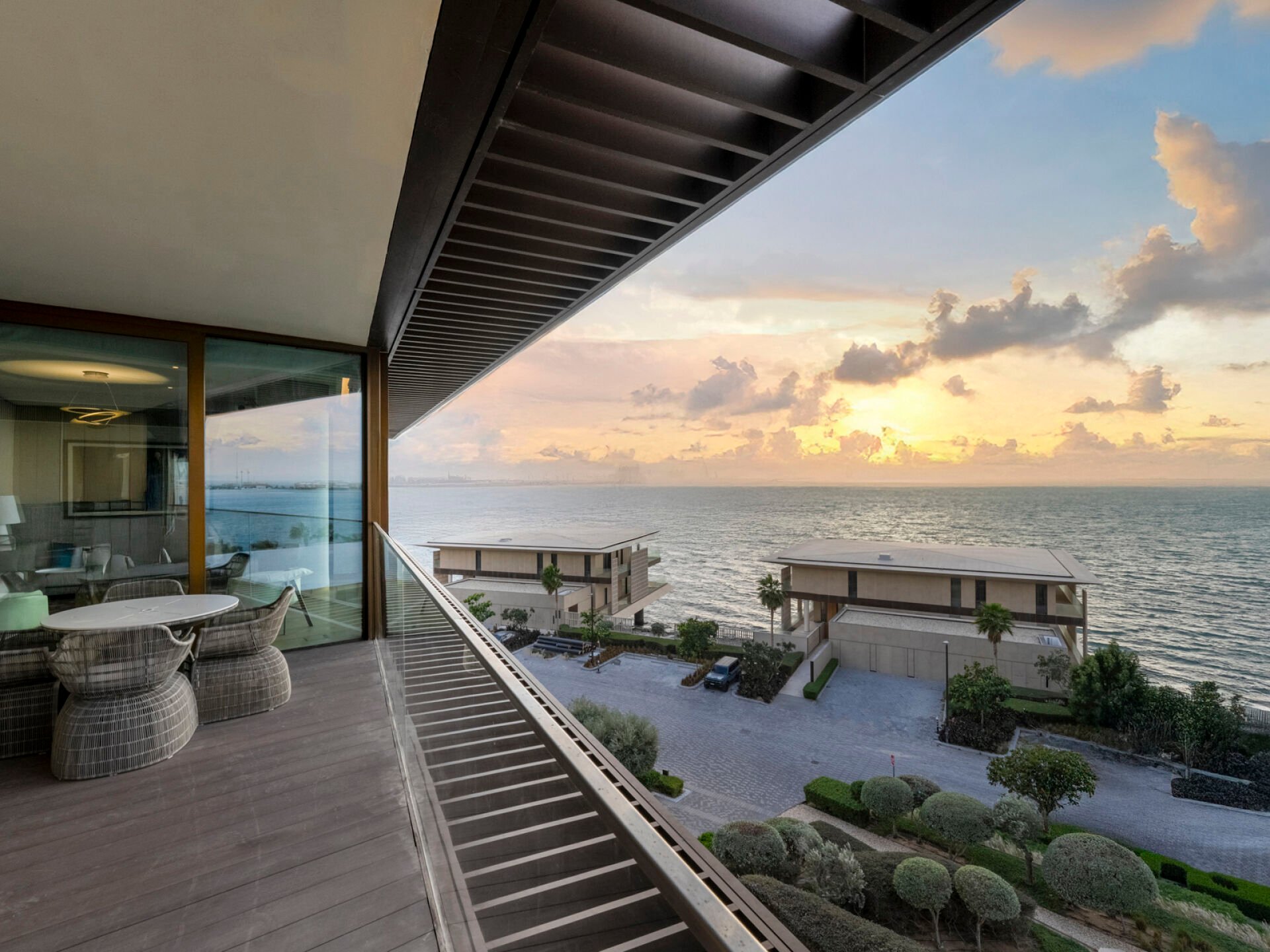
Aldar launched Marsa Al Saadiyat on July 22, 2026, an AED 100 billion (USD 27.2 billion) waterfront masterplan covering 6.4 million square metres and eight kilometres of coastline on Saadiyat Island, marking the final phase of the island's original masterplan. The district will include Abu Dhabi's largest marina, with berths for as many as 350 vessels, alongside private mansions, branded residences, villas and waterfront apartments built for more than 58,000 residents. First home sales open in the second half of 2026, arriving as Saadiyat apartment prices have already climbed by roughly one-fifth over the past year and the island's remaining waterfront land grows scarce.
Closing Saadiyat Island's Final Chapter
On July 22, Sheikh Khaled bin Mohamed bin Zayed Al Nahyan, Crown Prince of Abu Dhabi, visited Saadiyat Island to witness the launch of what had, until that morning, been known internally as Saadiyat Marina District. He directed that it be renamed Marsa Al Saadiyat, using the Arabic word for harbour, a small decision that says a great deal about what the project is organised around: a marina intended to be the largest in the emirate, with capacity for up to 350 sailing boats and superyachts.
Aldar is the master developer, responsible for the design and delivery of primary infrastructure across a site of 6.4 million square metres and 8 kilometres of waterfront, including 5.6 kilometres of beaches. At full build-out the district is expected to house more than 58,000 residents across private mansions, branded residences, waterfront apartments and a hillside community of standalone villas rising 22.5 metres above the shoreline. A one-kilometre promenade will anchor the retail and dining offer, alongside a yacht club, two luxury hotels and a theatre district built around Dar al Funoon, a Frank Gehry-designed performing arts venue with capacity for more than 6,000 guests.
Mohamed Khalifa Al Mubarak, chairman of Aldar and of the Department of Culture and Tourism - Abu Dhabi, described the launch as the activation of the final phase of the Saadiyat Island masterplan and, in his words, the beginning of the most ambitious chapter yet in the island's evolution.
Sales of the first homes are scheduled to open in the second half of 2026, with site enabling and infrastructure works beginning in the third quarter.
The Scarcity Argument
Saadiyat Island's price trajectory over the past 18 months makes the timing of this launch easy to read. Saadiyat apartment values reached roughly AED 43,100 per square metre, up about 21% year on year, and villa prices on the island climbed a further 13%. Neighbouring waterfront communities have moved in step: Al Reem Island and Yas Island apartments both posted double-digit annual gains, and rental growth on Yas outpaced every other district in the capital.
What makes Marsa Al Saadiyat different from the steady stream of Saadiyat launches that preceded it is that there is, by most accounts, very little undeveloped waterfront land left on the island once this parcel is allocated. Saadiyat Beach, Mamsha Al Saadiyat and the Cultural District have already been built out or sold through. A buyer who wants a waterfront address on Saadiyat Island, rather than an inland plot with partial views, is increasingly choosing between existing resale stock and whatever Aldar releases here. That scarcity, more than the marina or the theatre, is the real investment case.
Ownership, Golden Visa Eligibility and What Sales Will Look Like
Saadiyat Island sits within a designated freehold investment zone, which means non-GCC buyers can hold registered title in their own name, with no local sponsor required and no leasehold ceiling on ownership. That status carries over to Marsa Al Saadiyat once individual units come to market.
A property purchase of AED 2 million or more, whether a single unit or a qualifying portfolio, remains the threshold for the 10-year Golden Visa under current rules from the Federal Authority for Identity and Citizenship.
On payment structure, Aldar's standard approach across recent Abu Dhabi launches has involved a signing instalment in the region of 10-30%, milestone payments tied to construction progress, and a balance due at handover, with funds held in escrow under Department of Municipalities and Transport rules.
Connectivity Does Some of the Selling
The infrastructure commitments attached to this masterplan are unusually heavy for a single residential release. An underground Etihad Rail high-speed station is built into the district, intended to connect Marsa Al Saadiyat directly into the national rail network once services expand. New roads and tunnels will link the community to Umm Yifeenah Island and Reem Island, cutting travel time into central Abu Dhabi, and a further bridge is planned to a separate island Aldar is developing off Saadiyat's coast.
For a buyer thinking about Abu Dhabi and Dubai as complementary rather than competing markets, a rail stop inside the development matters more than it might first appear. An Abu Dhabi to Dubai journey of roughly 30 minutes by high-speed rail would meaningfully widen the pool of people who could live on Saadiyat Island and work in Dubai, or the reverse, a dynamic that has already begun to reshape demand patterns along the corridor between the two emirates.
Why Dubai-Focused Buyers Should Watch This Launch
Marsa Al Saadiyat lands into a market that is absorbing new supply faster than most observers expected twelve months ago. Abu Dhabi's real estate transactions reached AED 117 billion in the first half of 2026, up 112% in value year on year, while foreign direct investment in the sector surged 309% to nearly AED 14 billion over the same period, according to the Abu Dhabi Real Estate Centre. Recent launches elsewhere in the capital have sold out within days: Modon's Tara Park on Reem Island generated more than AED 2 billion in sales, and Aldar's Al Ghadeer Gardens sold out for more than AED 1 billion. Waterfront positioning, sea views and lifestyle amenities are consistently what Abu Dhabi's luxury buyers are prioritising, and Marsa Al Saadiyat has been designed with that preference squarely in mind.
For buyers whose search began in Dubai, this launch is worth tracking regardless of where the eventual purchase lands. Christie's International Real Estate Dubai's Saadiyat Island area guide sets out the wider island context, including the established villa and apartment stock that will sit alongside Marsa Al Saadiyat once sales open, and the brokerage's off-plan Abu Dhabi listings give a sense of how Aldar has phased comparable projects, including The Row Saadiyat, in the run-up to a major release. A masterplan of this size does not close the comparison between Dubai and Abu Dhabi. If anything, it is a reminder that Abu Dhabi's capital-city fundamentals, cultural infrastructure and rail connectivity are now part of the same conversation as Dubai's waterfront addresses, not a separate one.
FAQ
-
Marsa Al Saadiyat is Aldar's AED 100 billion waterfront masterplan on Saadiyat Island in Abu Dhabi, covering 6.4 million square metres and eight kilometres of coastline. It was launched on July 22, 2026, under the working name Saadiyat Marina District before being renamed at the direction of Sheikh Khaled bin Mohamed bin Zayed Al Nahyan, Crown Prince of Abu Dhabi.
-
Sales of the first homes are scheduled to open in the second half of 2026, with site enabling and infrastructure works beginning in the third quarter. Aldar has not yet published prices, unit layouts or payment plans for the initial release.
-
Yes. Saadiyat Island is a designated freehold investment zone, allowing non-GCC nationals to hold registered title without a local sponsor. A qualifying purchase of AED 2 million or more from an approved developer, including Aldar, is eligible for the 10-year Golden Visa under current rules.
-
The masterplan includes Abu Dhabi's largest marina with berths for up to 350 vessels, a yacht club, two luxury hotels, a one-kilometre retail and dining promenade, a theatre district anchored by the 6,000-seat Dar al Funoon venue, three schools, a landscaped central park and about 140 kilometres of walking and cycling paths.