This site is protected by reCAPTCHA and the Google Privacy Policy and Terms of Service apply.
The Market
Best Areas to Buy Luxury Property in Dubai in 2026
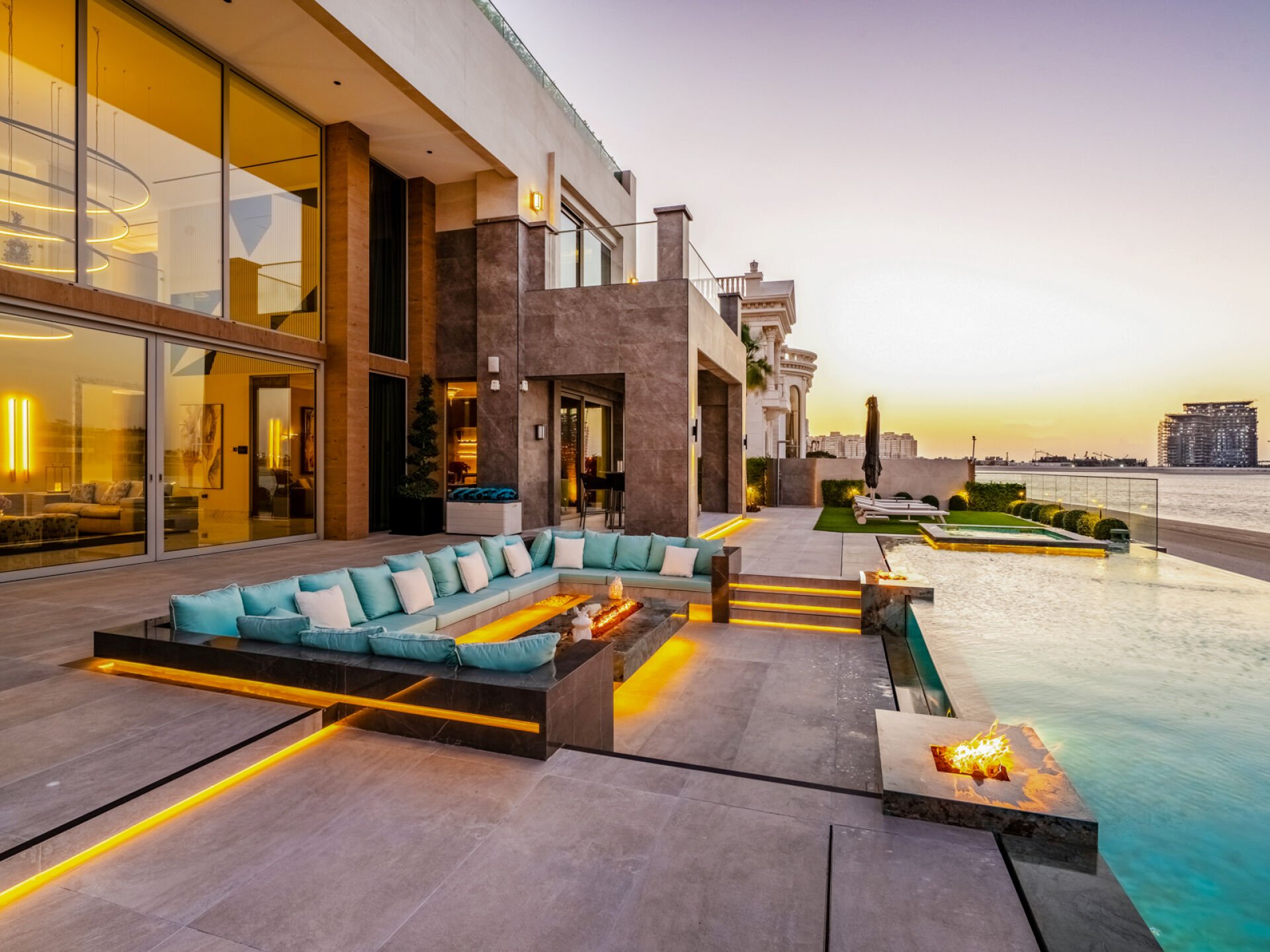
Explore Dubai's top luxury areas in 2026, from Palm Jumeirah to emerging hotspots like Dubai Water Canal
Words by Sophie McKinley in The Market · Mar 26th, 2026
In 2026, Dubai’s luxury property landscape is no longer defined by a single centre of gravity. Instead, it unfolds as a constellation of distinct environments—each shaped by a different idea of what luxury living means today. From established waterfront icons to emerging island enclaves, the question is no longer simply where to buy, but which vision of Dubai aligns with how you want to live.
Where to Buy Luxury Property in Dubai in 2026?
Dubai’s top luxury property areas in 2026 include Palm Jumeirah, Emirates Hills, Dubai Hills, Downtown Dubai, and emerging destinations such as Dubai Water Canal and Palm Jebel Ali. These areas combine strong investment potential, lifestyle appeal, and long-term capital appreciation, each offering a distinct approach to luxury living.
Dubai’s prime residential market enters 2026 in a phase of measured confidence. Growth continues across the luxury segment, while the definition of “prime” expands—moving beyond legacy addresses into emerging waterfront districts and new master-planned communities.
What distinguishes the market today is not simply price, but intent. Buyers are increasingly choosing between environments rather than locations—between visibility and privacy, density and space, immediacy and long-term positioning.
1. PALM JUMEIRAH
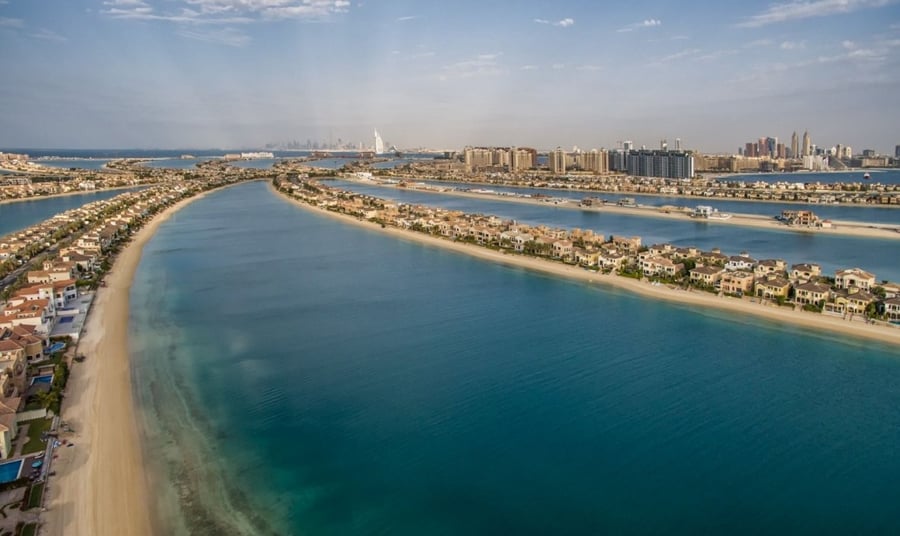
Why Palm Jumeirah remains one of the best areas to buy luxury property in Dubai
Palm Jumeirah continues to define Dubai’s global image of waterfront luxury, where architecture, hospitality, and private beachfront living converge. With its limited supply of villas and branded residences, the area maintains a level of scarcity that underpins long-term value, while its international recognition ensures continued demand from both end-users and investors. Ownership here is less about transaction and more about positioning within one of the world’s most iconic residential destinations.
2. EMIRATES HILLS
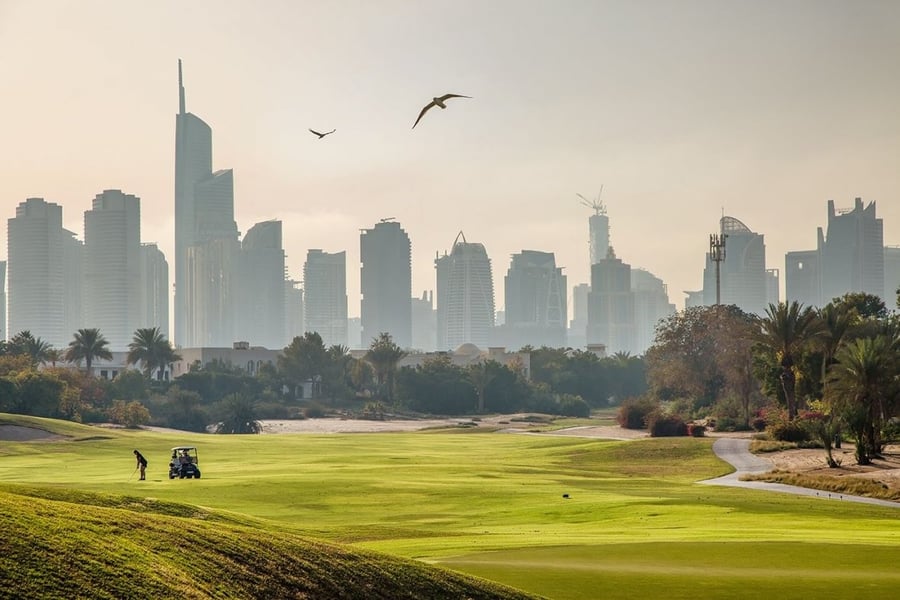
Why Emirates Hills remains Dubai's most private luxury enclave
Set apart from the city’s more visible districts, Emirates Hills offers a quieter, more introspective form of luxury defined by space, discretion, and architectural individuality. Large plots and bespoke villas shape a residential environment where properties are conceived as private estates rather than market listings, and where ownership is often long-term. Its limited availability and enduring appeal position it as one of Dubai’s most stable ultra-prime enclaves.
3. DUBAI HILLS
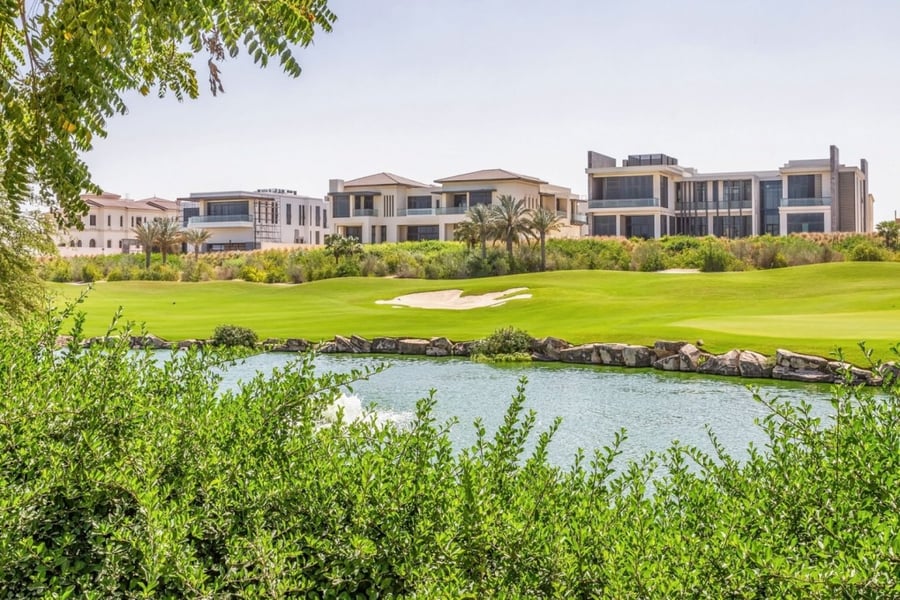
Why Dubai Hills Estate is a leading master-planned luxury community
Dubai Hills Estate reflects a more contemporary approach to luxury living, where residential design is integrated with green space, infrastructure, and everyday convenience. Built around a central park and golf course, the community offers a cohesive environment that appeals to both end-users and investors, balancing lifestyle quality with strong rental demand. Its structured planning and accessibility have positioned it as one of the city’s most complete residential ecosystems.
4. DOWNTOWN DUBAI
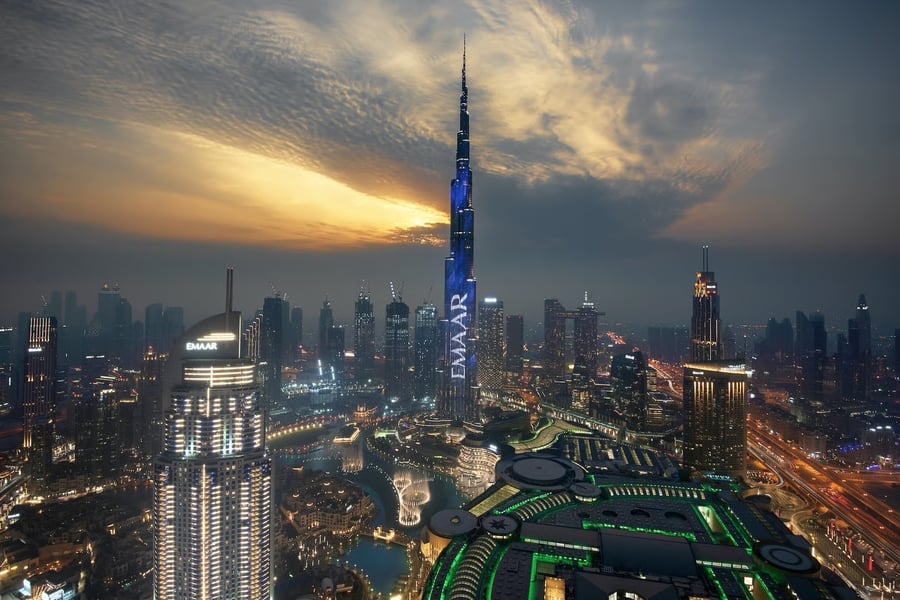
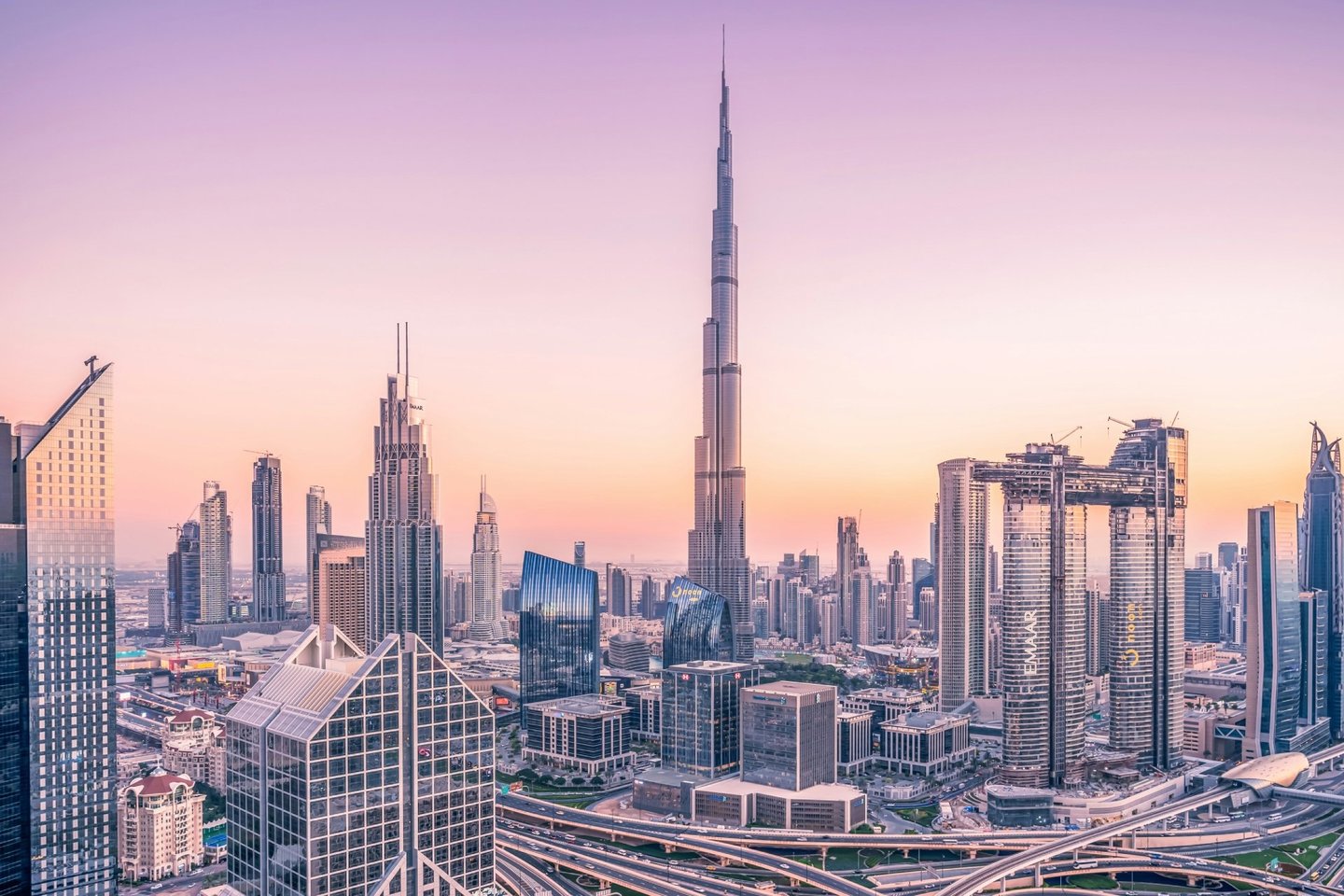
Why Downtown Dubai remains a prime address for urban luxury
Downtown Dubai continues to function as the city’s vertical core, offering a highly concentrated form of luxury defined by proximity and connectivity. Anchored by global landmarks, the district attracts buyers seeking immediate access to retail, culture, and hospitality, all within a walkable urban setting. Its consistent demand, particularly for premium apartments and branded residences, reinforces its position as one of Dubai’s most resilient high-end markets.
5. DUBAI MARINA
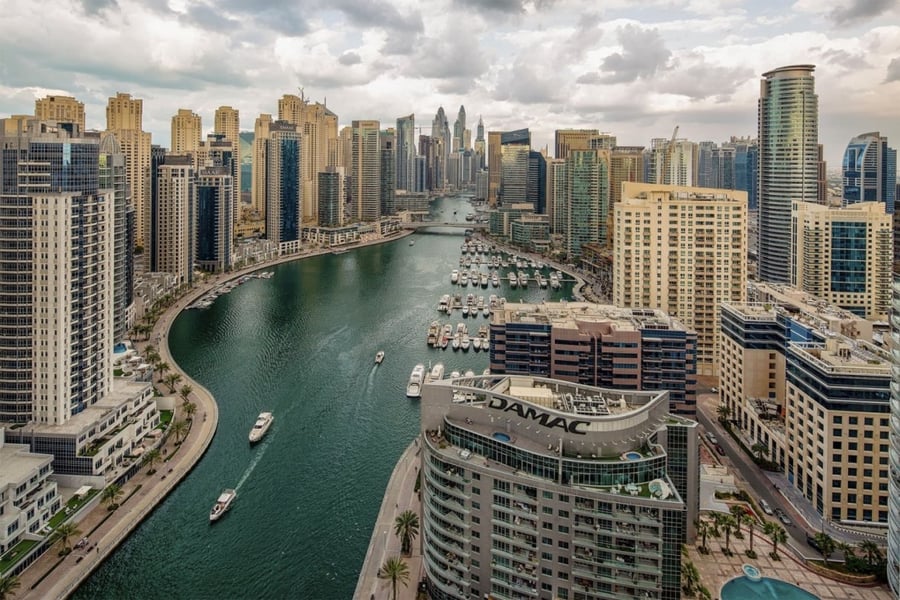
Why Dubai Marina continues to attract luxury property investors
Dubai Marina remains one of the city’s most dynamic residential districts, where waterfront living is shaped by density, activity, and accessibility. Its appeal lies in its ability to combine lifestyle with liquidity, offering investors a reliable market with strong rental yields and consistent tenant demand. While more established than newer developments, its ongoing relevance is driven by its energy and the breadth of amenities it provides.
6. DUBAI CREEK HARBOUR
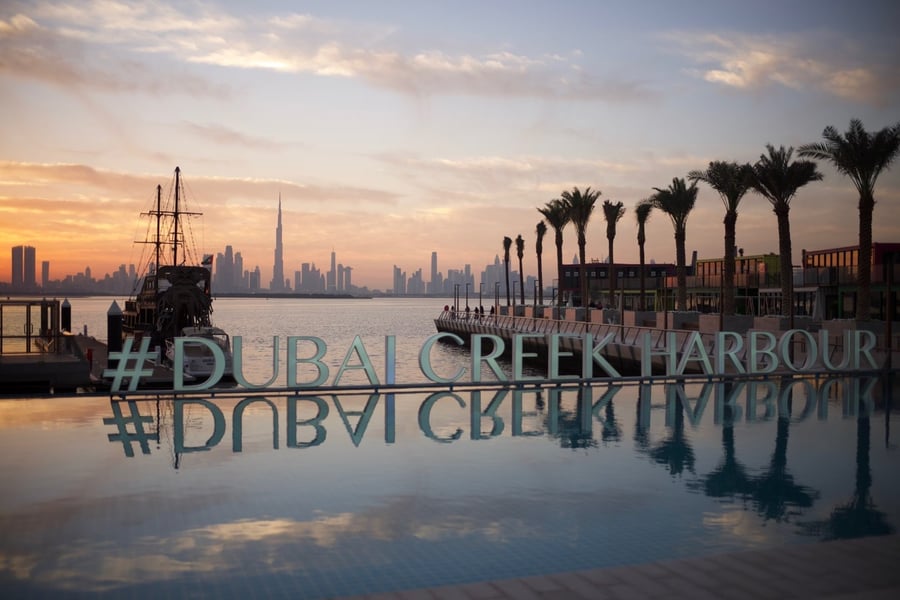
Why Dubai Creek Harbour is emerging as a key luxury waterfront destination
Positioned along the historic creek, Dubai Creek Harbour introduces a more contemporary, design-led approach to waterfront living, defined by open views and a growing residential skyline. As a district still in development, it attracts buyers looking toward long-term appreciation rather than immediate maturity, with its appeal rooted in both its setting and its future potential. It represents a quieter, more considered alternative to Dubai’s established coastal areas.
7. JUMEIRAH BAY ISLAND
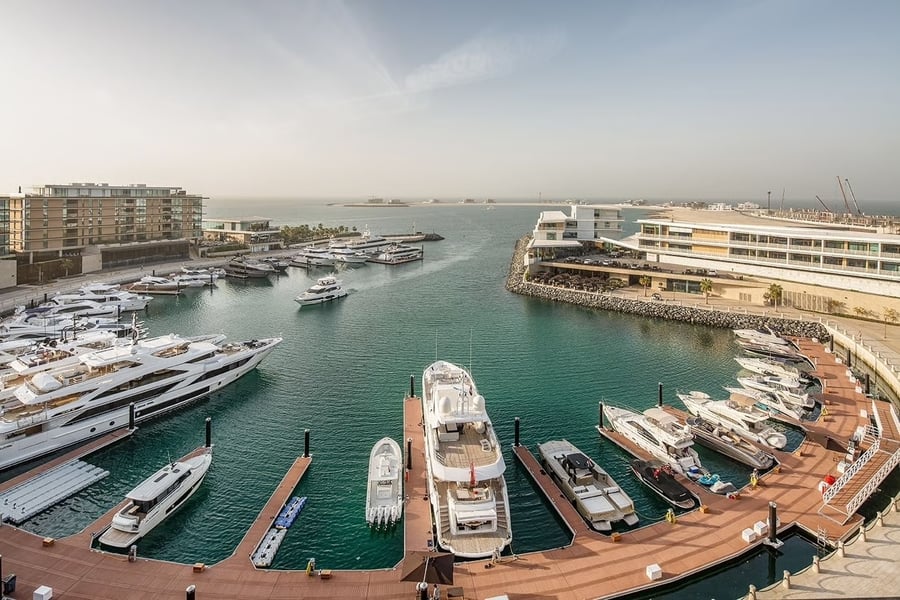
Why Jumeirah Bay Island defines ultra-prime exclusivity in Dubai
Jumeirah Bay Island operates within a rarified segment of the market, where luxury is defined by scarcity, controlled development, and architectural quality. With a limited number of villas and a highly curated residential environment, it offers a level of exclusivity that few other areas in Dubai can match. Ownership here is less about visibility and more about access, reinforcing its position within the city’s ultra-prime tier.
8. DUBAI WATER CANAL
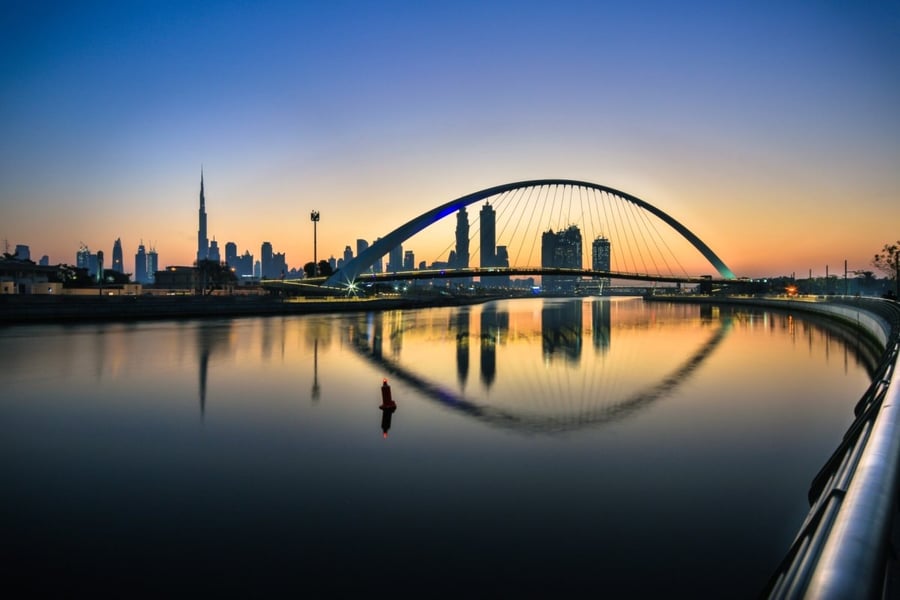
Why Jumeirah Bay Island defines ultra-prime exclusivity in Dubai
Jumeirah Bay Island operates within a rarified segment of the market, where luxury is defined by scarcity, controlled development, and architectural quality. With a limited number of villas and a highly curated residential environment, it offers a level of exclusivity that few other areas in Dubai can match. Ownership here is less about visibility and more about access, reinforcing its position within the city’s ultra-prime tier.
9. PALM JEBEL ALI
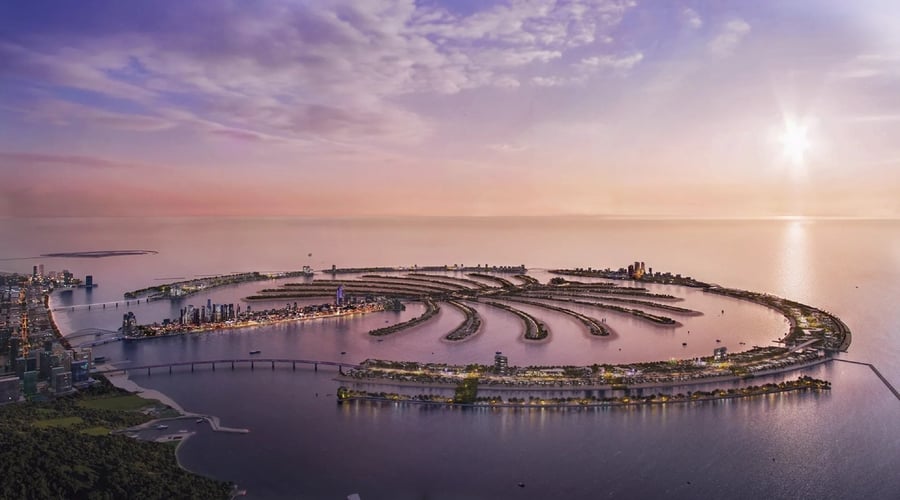
Why Palm Jebel Ali represents the future of luxury beachfront investment
Palm Jebel Ali signals the next phase of Dubai’s waterfront expansion, reintroducing large-scale coastal living with a renewed focus on space, sustainability, and long-term planning. Unlike more established areas, it remains in an early stage of development, attracting buyers who are positioning themselves ahead of future growth. Its scale and vision suggest a new benchmark for beachfront living, one that will unfold over the coming years.
A shifting definition of "prime"
In 2026, Dubai’s luxury property market is no longer anchored to a single geography. Instead, it is shaped by contrast: waterfront visibility versus private seclusion, urban proximity versus master-planned balance, and established prestige versus future growth. The “best” area is therefore not fixed, but contextual.
To choose where to buy in Dubai today is to define how you engage with the city itself. Some will gravitate toward the certainty of established enclaves such as Palm Jumeirah or Emirates Hills, while others will look toward emerging districts like Dubai Water Canal or future-facing developments such as Palm Jebel Ali—places where value is still being shaped. Both approaches are valid, but increasingly, the distinction lies not in the address itself, but in what that address represents.
FAQ
-
Dubai remains one of the most attractive global markets for luxury real estate, supported by tax efficiency, strong international demand, and continued infrastructure growth.
-
Areas such as Dubai Marina and Dubai Hills Estate typically offer strong rental yields, while emerging destinations like Dubai Creek Harbour and Palm Jebel Ali present higher long-term appreciation potential.
-
Jumeirah Bay Island and Emirates Hills are considered among the most exclusive residential areas in Dubai due to their limited supply and ultra-prime positioning.